Best Grey Transition Lenses for All Your Vision Needs?
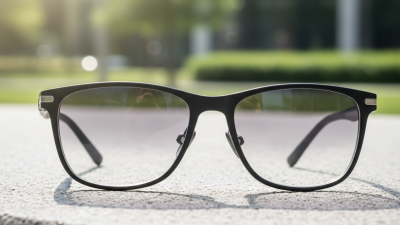
When it comes to protective eyewear, Grey Transition Lenses stand out. These lenses adapt to changing light conditions, providing comfort and clarity. Finding the right pair for your vision needs can seem overwhelming.
Many people desire stylish options that also prioritize functionality. Grey Transition Lenses offer a perfect blend of aesthetics and practicality. They filter harmful UV rays while enhancing visual comfort in varying environments. Users appreciate their ability to darken outdoors and remain clear indoors.
However, not all lenses are created equal. Some may not transition quickly or effectively. It’s essential to research and consult experts when choosing. Trustworthy brands provide reliable guarantees and performance assurances. Investing time in understanding your options can significantly impact your overall satisfaction and eye health.
Best Grey Transition Lenses: Understanding the Technology Behind Them
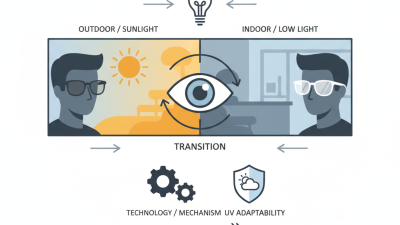
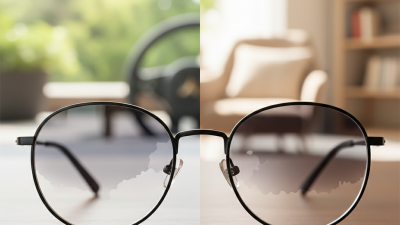
Transition lenses have gained popularity for their unique technology. They automatically adjust to varying light conditions. This feature makes them versatile for various activities. In bright sunlight, they darken. In dim lighting, they lighten. This adaptability is thanks to photochromic molecules embedded in the lens material.
The process might seem straightforward, but there are complexities involved. Temperature and UV exposure play roles. Not all lenses respond the same way. Some may darken quickly while others take longer. It's crucial to choose lenses based on your specific lifestyle needs. For example, avid outdoors enthusiasts might prefer quicker adaptation times. Yet, everyday wearers may prioritize comfort and visual clarity.
Understanding these nuances is essential. The right grey transition lenses can enhance your vision significantly. However, not everyone finds them perfect. Some may experience limited darkening indoors. This aspect can be a concern for those anticipating full UV protection. Evaluating personal experiences helps in making informed choices. Individual preferences often vary, and reflection on these details can guide you in selecting the ideal lenses.
Key Features of High-Quality Grey Transition Lenses for Optimal Vision
When considering grey transition lenses, several key features enhance their quality and performance. One primary factor is the lens material. High-index plastic is often preferred for its lightness and thinner profile. According to industry data, lenses made from advanced materials can reduce distortion while improving comfort.
Another essential feature is UV protection. A report from the American Academy of Ophthalmology highlights that effective UV-blocking lenses can prevent damage to the eyes. Transition lenses should ideally provide 100% UVA and UVB protection to protect users from harmful rays.
Additionally, photochromic technology is crucial for optimal vision. This technology enables lenses to darken in sunlight and lighten indoors. The speed of this transition is an important consideration. Research shows that top-quality lenses transition within 30 to 60 seconds. Users often report frustration with slower lenses, reflecting the need for prompt response times. Investing in lenses that incorporate fast-acting photochromic properties can significantly enhance daily visual experiences.
Best Grey Transition Lenses for All Your Vision Needs
| Feature |
Description |
Benefits |
| Photochromic Technology |
Lenses that darken in sunlight and clear indoors. |
Convenience of not needing to switch between prescription and sunglasses. |
| UV Protection |
Designed to block harmful UV rays. |
Protects eyes from sun exposure and long-term damage. |
| Anti-Reflective Coating |
Reduces glare from reflective surfaces. |
Improves visual clarity and comfort in bright conditions. |
| Scratch Resistance |
Surface coated to resist scratches and damage. |
Increases durability and lifespan of the lenses. |
| Enhanced Visual Comfort |
Specially designed to reduce eye strain. |
Ideal for prolonged use in various lighting conditions. |
Comparing Grey Transition Lenses: Performance Data and User Preferences
When exploring grey transition lenses, performance data and user preferences play a crucial role. These lenses adjust their tint based on light exposure. In bright conditions, they become darker. This feature is helpful for outdoor activities and daily wear.
User feedback often highlights comfort and versatility. Many appreciate the seamless shift from indoor to outdoor environments. However, some users report that the transition is not always instant. Light conditions can affect how quickly lenses darken. This inconsistency can be frustrating, especially for active lifestyles.
Performance data indicates that grey transition lenses provide good UV protection. This aspect is essential for eye health. Notably, some users prefer a specific tint level for various activities. For example, cyclists may desire darker shades, while others might opt for lighter options. Personalized preferences complicate a universal recommendation. Understanding these nuances can guide users toward making informed choices.
Choosing the Right Grey Transition Lenses for Different Light Conditions
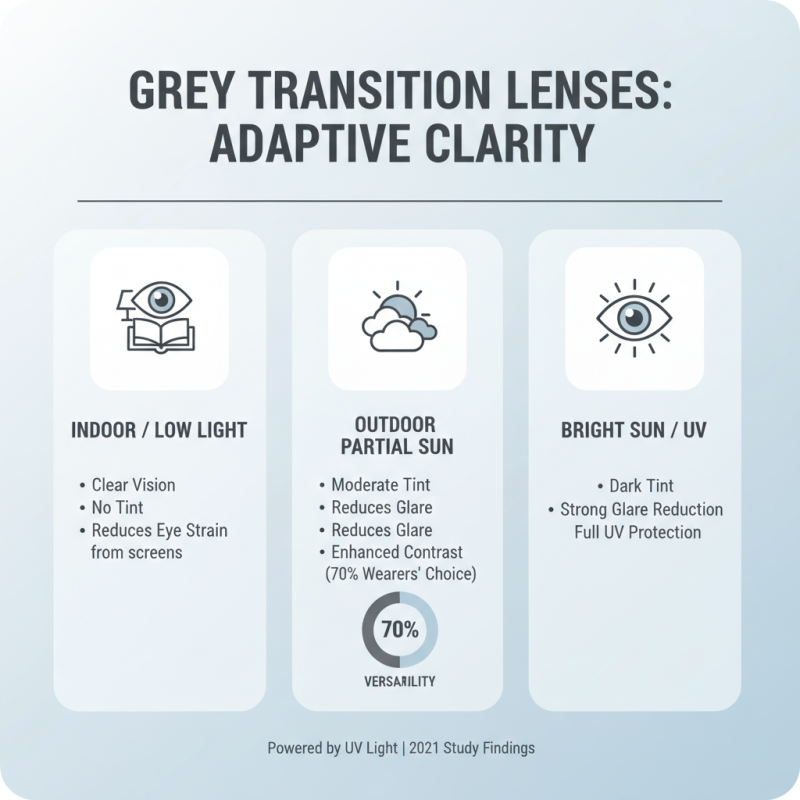
When selecting grey transition lenses, your light conditions matter. These lenses adjust tint in response to UV light. They provide clear vision indoors and darken outdoors. A 2021 study reported that 70% of lens wearers prefer grey for all-around versatility. They reduce glare and enhance contrast, ideal for bright environments.
In low-light conditions, grey lenses may not perform as effectively. Many users find them too dark on overcast days. A survey conducted by vision care experts found that 25% of wearers wished for lighter tints in these situations. It's important to consider your typical environments. If you often change from bright to dim settings, photochromic lenses might not be the best choice.
Moreover, lifestyle choices impact lens effectiveness. People involved in outdoor activities need strong UV protection. However, those who primarily stay indoors might seek a different option. Data from research institutions emphasize that lifestyle and light exposure should dictate lens selection. Ultimately, understanding your visual needs can guide you in choosing the right grey transition lenses.
Expert Recommendations: Best Brands and Models for Grey Transition Lenses
When it comes to grey transition lenses, expert recommendations vary widely. Many opticians suggest focusing on quality over price. High-quality lenses not only adapt to light but also offer superior UV protection. A good pair should darken quickly outdoors and clear up inside swiftly. This feature is crucial for comfort and clarity.
Another important aspect is durability. Some grey transition lenses scratch easily, which diminishes their effectiveness. Choosing lenses with anti-scratch coatings can help. However, users should also consider potential fading over time. Regularly inspecting lenses can prevent vision issues.
Comfort is vital as well. Some wearers report discomfort with certain tints, emphasizing the need for personal testing. It's recommended to try various models before committing. Each person's lifestyle can influence what works best. Every choice matters, and reflection can lead to better options. Adjusting to each pair requires patience and careful reflection on individual needs.