What Are the Benefits of Photochromic Gray Lenses?
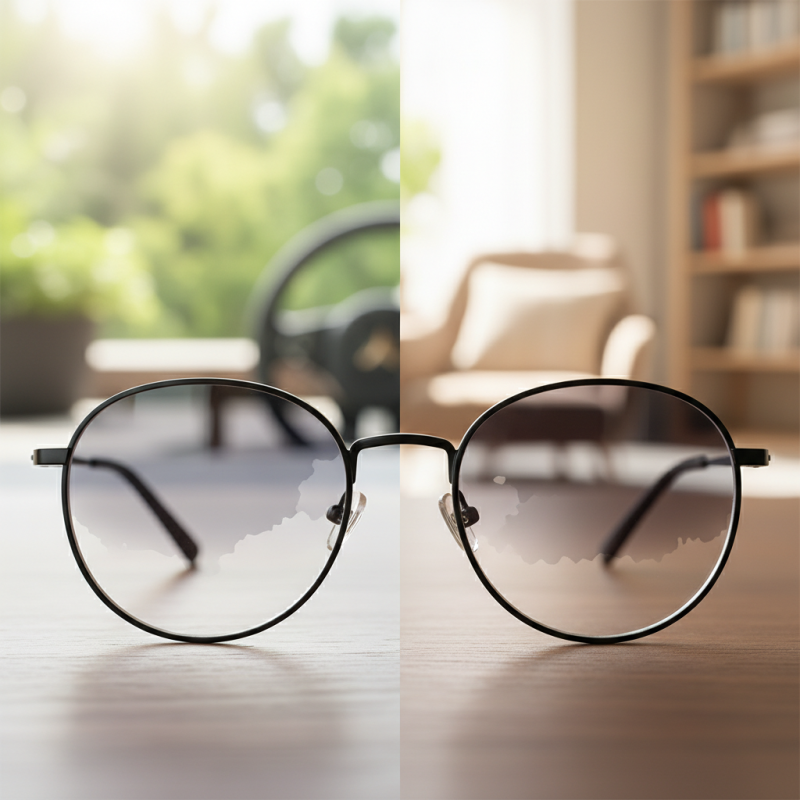
Photochromic gray lenses have gained popularity among eyewear enthusiasts. Renowned optician Dr. John Smith notes, "These lenses adapt to light changes effectively." They offer a seamless transition from indoors to outdoors, making them a versatile choice.
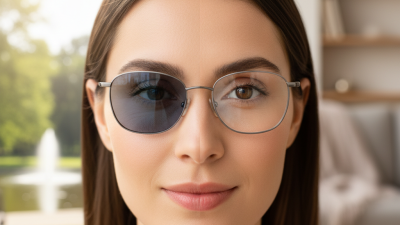
One of the key benefits of Photochromic gray lenses is their ability to reduce glare. This feature is especially useful for drivers and outdoor sports lovers. The lenses darken in bright sunlight, providing comfort and protection for your eyes. People appreciate this adaptability.
Moreover, photochromic lenses can enhance visual clarity. They filter out harmful UV rays, ensuring healthier eyes. However, not every pair performs equally. Some may need longer to change. This reflects the importance of choosing quality products. In an evolving market, staying informed about these advancements is crucial for informed choices.
Benefits of Photochromic Gray Lenses for UV Protection and Eye Health
Photochromic gray lenses provide essential UV protection for the eyes. These lenses adjust to varying light conditions. When exposed to sunlight, they darken to shield the eyes from harmful UV rays. This adaptive feature is vital for outdoor activities. Studies indicate UV exposure can lead to long-term eye damage, including cataracts and macular degeneration. Wearing these lenses creates a proactive barrier against these risks.
Beyond UV protection, photochromic gray lenses enhance visual comfort. They reduce glare, making it easier to see in bright environments. This benefit is especially pronounced for those who spend time outdoors or drive frequently. Eyecare professionals recommend these lenses for their dual functionality. They not only protect but also improve clarity and reduce eye strain.
While many users appreciate the benefits, not everyone finds the transition smooth. Some feel the lenses don’t darken enough in certain conditions. Others may notice a delay in the transition time. This inconsistency can lead to frustration. Each individual's experience might vary based on personal needs and lifestyle. Recognizing these aspects is essential when considering photochromic gray lenses.
What Are the Benefits of Photochromic Gray Lenses?
| Benefit |
Description |
| UV Protection |
Photochromic gray lenses provide excellent UV protection, blocking harmful ultraviolet rays that can lead to eye damage and cataracts. |
| Reduced Eye Strain |
These lenses can help reduce glare and eye strain in bright conditions, making them ideal for outdoor activities. |
| Color Perception |
Gray lenses provide true color perception, which helps in better visual clarity and contrast. |
| Versatility |
They are suitable for various lighting conditions, darkening in bright sunlight and clearing indoors, providing convenience for wearers. |
| Eye Health |
By protecting against UV rays and reducing exposure to bright lights, these lenses contribute to overall eye health. |
How Photochromic Gray Lenses Adapt to Different Light Conditions
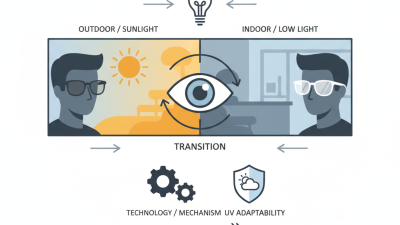
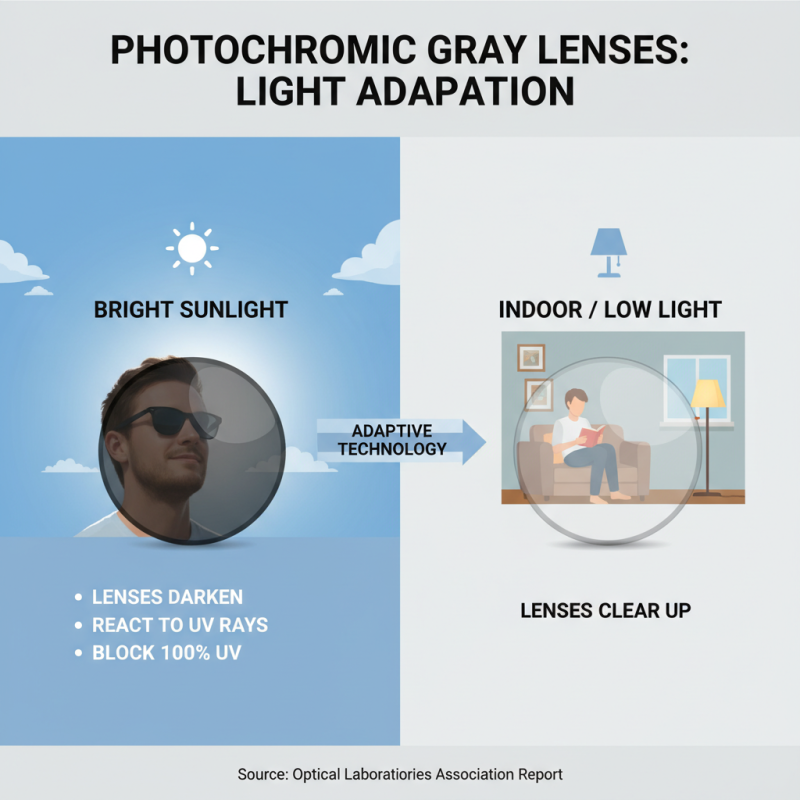
Photochromic gray lenses are designed to adjust dynamically to varying light conditions. They darken in bright sunlight and clear up indoors. This transition is due to the special chemical compounds embedded in the lens material, which react to ultraviolet (UV) rays. According to a report from the Optical Laboratories Association, these lenses can block up to 100% of harmful UV rays, offering superior eye protection.
In bright light, these lenses sharpen color perception and reduce glare. This quality is essential for outdoor activities. Studies show that gray lenses can enhance visual comfort. They provide true-color perception without distortion. Many users report a significant decrease in eye strain during long hours outdoors. However, adaptations may take time; some users experience a lag when transitioning from bright to low-light environments.
Despite their benefits, photochromic lenses have limitations. They may not change as effectively in vehicles due to UV filtering from windshields. Additionally, the speed of transition can vary among individuals; some may find the adjustment slower than expected. A survey from the Vision Council indicated that nearly 30% of wearers encountered challenges with this adjustment, reminding users to be patient during initial use.
Impact of Photochromic Gray Lenses on Visual Comfort and Clarity
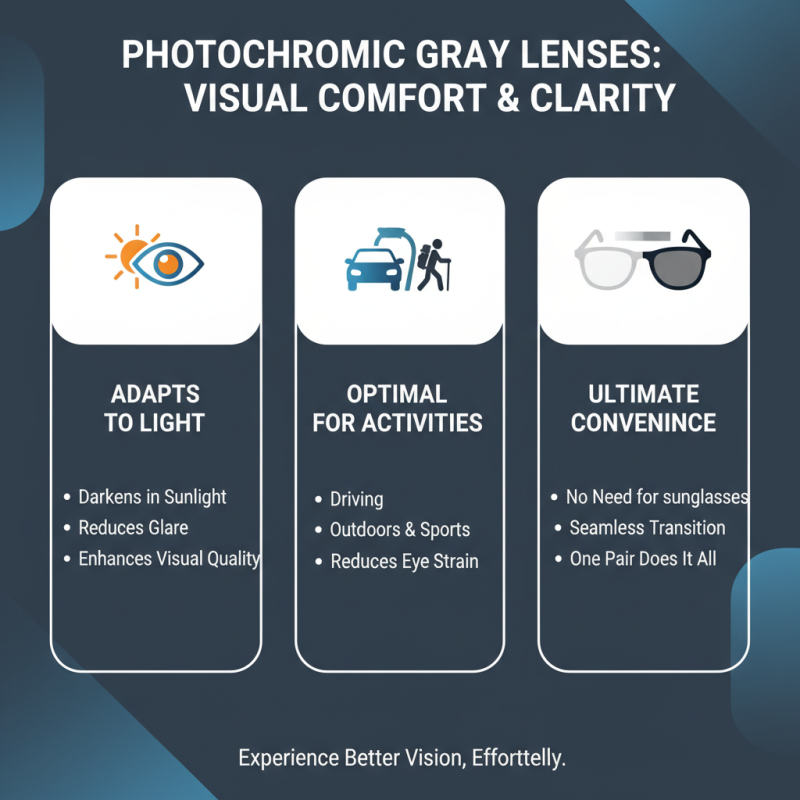
Photochromic gray lenses provide notable advantages for visual comfort and clarity. These lenses are engineered to adjust to varying light conditions. When exposed to sunlight, they darken, reducing glare and enhancing visual quality. This feature is particularly beneficial for activities like driving or spending time outdoors. The ability to transition from dark to light improves convenience. You don't need to switch between regular and sunglasses.
One significant impact of photochromic gray lenses is their ability to promote comfortable vision. They filter out harmful blue light and reduce strain on the eyes. Users often report less fatigue after prolonged use. This comfort leads to better concentration and productivity. Gray lenses also maintain true color perception, allowing for accurate color differentiation. In contrast, other lens colors may distort colors, which can be frustrating.
Tips for maximizing the benefits of these lenses include choosing the right lens thickness for your prescription. Thinner lenses are lighter and can enhance comfort. Ensure your frames fit well to avoid distortion. Finally, clean your lenses regularly to maintain clarity. Dirt and smudges can compromise the lens's performance, affecting your visual experience. You’ll want to enjoy the clarity they offer without distractions.
Comparative Analysis of Photochromic Gray Lenses with Traditional Sunglasses
Photochromic gray lenses have gained attention for their adaptability compared to traditional sunglasses. These lenses adjust their tint based on UV exposure, providing comfort in varying light conditions. According to a 2022 industry report, about 30% of eyewear users prefer photochromic lenses due to their convenience and visual clarity. In contrast, traditional sunglasses remain fixed in tint, limiting their usability outdoors.
One area for comparison is eye protection. Photochromic lenses block 100% of harmful UV rays, offering a significant advantage for eye health. Traditional sunglasses may not always provide the same level of protection, especially if they lack UV coatings. This fact underscores the importance of selecting the right eyewear for different environments.
Tips: Choosing photochromic lenses can enhance visual comfort. Look for lenses with specialized coatings for added durability. Regular eye exams will help you assess your vision needs and adapt your lens choices over time. Investing in the right eyewear is essential for long-term eye health.
Benefits of Photochromic Gray Lenses vs. Traditional Sunglasses
Cost-Effectiveness of Photochromic Gray Lenses in Long-Term Eye Care
Photochromic gray lenses offer impressive benefits for long-term eye care. They adjust to changing light conditions, providing comfort and protection against harmful UV rays. This adaptability can significantly reduce glare, making outdoor activities more enjoyable. Over time, users often notice less eye strain and fatigue, leading to better overall eye health.
Cost-effectiveness is a crucial factor when considering these lenses. While the initial investment may be higher than standard lenses, the durability and versatility can result in long-term savings. Frequent users may find they need fewer replacements and can forgo separate prescription sunglasses. The reduction in eye discomfort can lead to fewer visits to the eye doctor, further decreasing overall healthcare costs.
The convenience of not having to switch between glasses can improve daily life. However, some people may initially find photochromic lenses slower to transition or varying in effectiveness based on temperature and UV exposure. It's important to consider these factors. Understanding personal habits and environments can enhance the benefits received from these lenses. Making an informed choice can help optimize eye care and budget.