Why Choose Grey Transition Lenses for Your Eyes?
Choosing the right eyewear can greatly impact eye health and comfort. Among various options, Grey Transition Lenses stand out for their versatility and effectiveness. Dr. Emily Carter, an optometry specialist with over a decade of experience, emphasizes, "Grey Transition Lenses adapt perfectly to light changes, ensuring clear vision in any environment."
These lenses provide a smooth transition from clear to dark, protecting eyes from harmful UV rays. They are particularly beneficial for those who frequently move between indoor and outdoor settings. However, some users might underestimate their importance, not realizing that inadequate protection can lead to long-term vision issues.
While the advantages are clear, it's crucial to consider individual needs. Not everyone may find Grey Transition Lenses suitable. Factors like lifestyle, prescription, and personal preferences play essential roles. Reflecting on these aspects ensures that you make an informed choice for your eye health.

Benefits of Grey Transition Lenses for Eye Protection
Grey transition lenses provide numerous benefits for eye protection. These lenses darken in bright light and become clear indoors, offering versatility. They shield eyes from harmful UV rays and reduce glare, enhancing visual comfort. Exposure to sunlight can lead to long-term eye issues. Thus, choosing grey transition lenses is a wise decision for safeguarding your vision.
Tips for selecting the right grey transition lenses include checking for adequate UV protection. Quality lenses should block 100% of UVA and UVB rays. Additionally, consider your lifestyle and how often you switch environments. If you're outdoors frequently, opt for lenses with a faster transition time. Comfort is key; ensure the lenses fit your frames well.
Keep in mind that not all grey transition lenses are the same. Some might not adjust quickly or effectively in varying light conditions. Test different styles to find what works for you. Regular eye check-ups are essential. They help you monitor any changes in vision and ensure your lenses are suitable for your needs.
How Grey Transition Lenses Adapt to Different Lighting Conditions
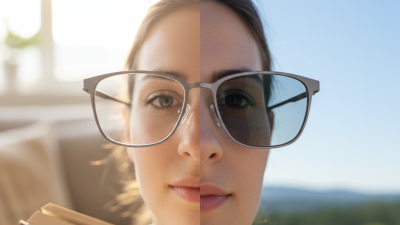
Grey transition lenses offer unique benefits for varying lighting conditions. These lenses adjust their tint based on sunlight intensity, which helps in reducing eye strain. When you're outdoors, the lenses darken to shield your eyes from harsh UV rays. Inside, they return to a clear state, allowing comfortable vision. This adaptability provides convenience for users who transition frequently between environments.
In bright sunlight, these lenses protect your eyes effectively. They can help you see clearly without squinting. However, some might find the transition time a bit slow. In lower light, the lenses become clear, but they may not be perfectly transparent right away. This can cause some users to feel a slight delay in optimal vision. It's a trade-off between protection and clarity, but many appreciate the overall comfort and features these lenses provide.
The science behind this technology is fascinating. Grey lenses can enhance contrast without distorting colors too much. This makes them a practical choice for outdoor activities. Selecting the right lenses involves considering personal comfort and daily habits. It's essential to assess how these lenses fit into your lifestyle.
The Aesthetic Appeal of Grey Transition Lenses
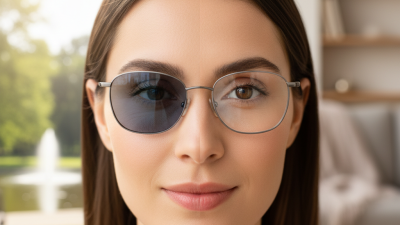
Grey transition lenses are gaining popularity for their unique aesthetic appeal. They seamlessly adjust from clear to tinted, offering both style and practicality. The grey tint provides a sleek, modern look that complements various facial features. Many wearers appreciate the way these lenses enhance their natural beauty while providing protection from harmful UV rays.
Beyond aesthetics, grey transition lenses have a calming effect. Their neutral tone can complement any outfit, making them versatile for different occasions. Whether you're at a beach party or a business meeting, they blend effortlessly. While some might feel they lack boldness compared to colored lenses, their understated elegance often speaks louder than elaborate designs.
Choosing grey transition lenses also reflects a thoughtful approach to eyewear. They serve a purpose while enhancing your personal style. However, remember that everyone's preferences vary. Some may find them too subtle or simple. Reflecting on your own style is essential. Ultimately, grey transition lenses could just be the perfect balance of style and functionality.
Why Choose Grey Transition Lenses for Your Eyes? - The Aesthetic Appeal of Grey Transition Lenses
| Feature |
Description |
Benefits |
| Aesthetic Appeal |
Grey lenses provide a sophisticated and neutral appearance. |
Complements various styles and skin tones. |
| Light Adaptation |
Transitions from clear to dark based on light conditions. |
Offers convenience and comfort in varying light. |
| UV Protection |
Blocks 100% of UVA and UVB rays. |
Protects your eyes from harmful sun exposure. |
| Versatility |
Suitable for various indoor and outdoor activities. |
Ideal for those who spend time in changing environments. |
| Comfort |
Minimizes glare from surfaces like water and roads. |
Enhances visual clarity and reduces eye strain. |
Differences Between Grey Transition Lenses and Standard Tints
Grey transition lenses offer unique benefits compared to standard tints. These lenses automatically adjust to changing light conditions. When you step outside, they darken, providing ample protection against UV rays. Inside, they remain clear, allowing for unhindered vision. This versatility is key for anyone transitioning between indoor and outdoor environments.
Standard tints come in fixed shades. They do not change or adapt. While they provide some glare reduction, they lack the adaptive qualities grey transitions offer. The grey tint is neutral, preserving true color perception better than other tints. Users often notice improved comfort and clarity in varying light conditions.
Many wearers appreciate the stylish appearance of grey lenses. They complement various face shapes and personal styles. However, transitioning lenses can sometimes take time to adjust. This may frustrate some users. It's important to assess whether the benefits outweigh these minor inconveniences. Overall, grey transition lenses present a compelling choice for those seeking eye comfort and protection.
Choosing the Right Prescription for Grey Transition Lenses
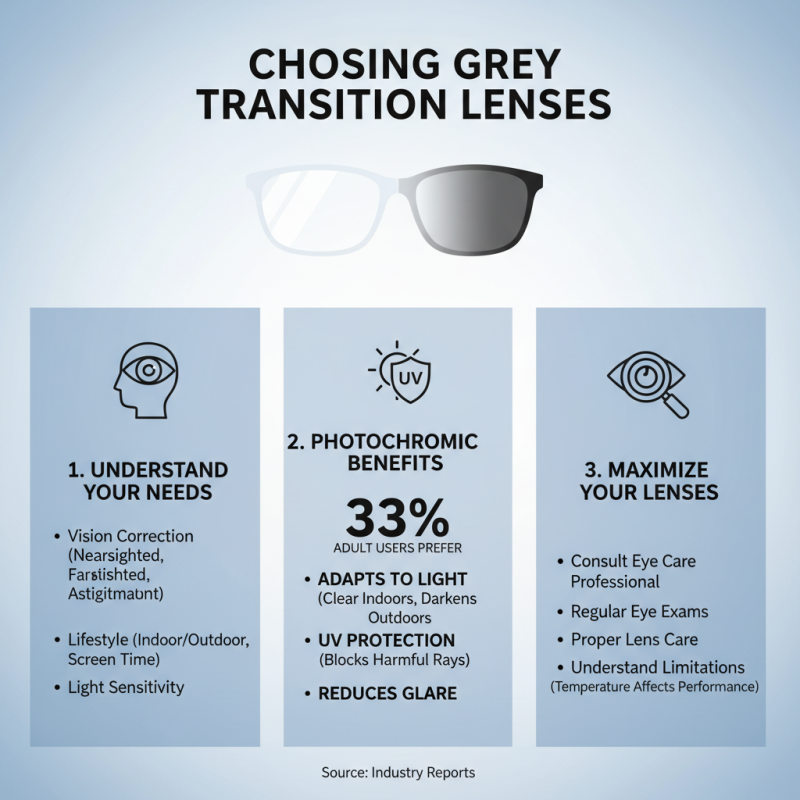
Choosing the right prescription for grey transition lenses involves understanding your vision needs and lifestyle. Reports indicate that about 33% of adults prefer photochromic lenses for their ability to adapt to changing light conditions. These lenses darken in sunlight, providing protection from harmful UV rays. However, not everyone gets the most out of their grey transition lenses.
When selecting your prescription, consider your daily activities. If you spend a lot of time outdoors, opt for lenses that darken quickly. According to the American Optometric Association, a proper lens selection can enhance comfort by reducing glare and increasing contrast. It's crucial to work with a professional who can assess your vision accurately.
Tip: Always test the lenses in real-world conditions before buying. Wear them during various activities to ensure they meet your needs. Remember, the right fit goes beyond just the prescription. Proper frame alignment and lens height also play a significant role in your overall experience. Be aware of these elements and don't hesitate to ask questions.