Why Choose Digital Freeform Progressive Lenses?
Clear vision changes with distance, lighting, posture, and daily habits. That is why many wearers are exploring Digital Freeform Progressive Lenses instead of choosing conventional progressive designs. These lenses use advanced digital calculations to create a more personalized optical surface. The design may consider prescription strength, frame shape, pupil position, and viewing preferences. A wearer who spends hours reading spreadsheets may need different visual support from someone who drives frequently. Small details matter.
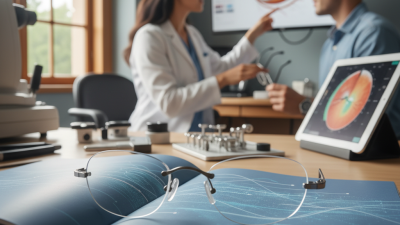
On paper, this sounds highly precise. Real life is less tidy. An accurate prescription, careful fitting, and honest communication still matter. Technology cannot repair an incorrect measurement or an unsuitable frame. Experienced opticians usually assess how a person moves between a phone, computer screen, and distant signs. They may also discuss peripheral blur, head movement, and previous adaptation difficulties. These conversations help set realistic expectations before ordering the lenses.
The main appeal is smoother, more natural vision across several distances. Many wearers appreciate clearer intermediate areas for monitors and dashboards. Some also notice improved comfort during repeated near-to-distance tasks. However, results are not identical for everyone. Adaptation can take several days, and certain users may still notice edge distortion. That is normal, but it should not be dismissed. Follow-up care can identify whether the issue involves lens design, fitting height, frame position, or prescription accuracy. Choosing well means considering both digital precision and professional judgment.

What Are Digital Freeform Progressive Lenses?
Digital freeform progressive lenses are customized lenses made with advanced computer-controlled surfacing technology. Instead of using one standard design, the lens is calculated around your prescription, frame shape, and wearing position. The design can include distance, intermediate, and near viewing areas within one lens.
The process begins with detailed measurements.
An optician may record your pupillary distance, fitting height, frame angle, and how the frame sits on your face. These details help place the progressive corridor more accurately. The result feels personal. Fit matters.
Digital calculations can also reduce unwanted blur near the edges, although they cannot remove it completely. Your visual habits matter too. Someone who spends hours reading may need different priorities from someone who frequently drives at night. A licensed eye-care professional should discuss these needs before ordering the lenses.
They are not magic.
Some wearers adapt quickly, while others notice swimming sensations or a narrow reading area at first. A poor frame fit can weaken an otherwise careful design. Even precise measurements may need review if your prescription changes or the frame moves. That is an important limitation, and it deserves honest attention.
How Are Digital Freeform Progressive Lenses Designed?
Digital freeform progressive lenses begin with precise wearer data. An optician records the prescription, pupil distance, fitting height, and frame position. Measurements also consider pantoscopic tilt and the distance between the lens and eye. Even a small fitting error can affect visual comfort. The prescription is only one part of the design. Personal habits matter.
Design software maps the prescription across the entire lens surface. Instead of using a fixed progression pattern, it calculates thousands of surface points. Engineers balance distance, intermediate, and near vision zones. The corridor guides the eye smoothly toward reading power. Peripheral zones are adjusted to reduce unwanted blur and swim effects. Computer-controlled surfacing then creates the planned curves with high accuracy. That process is highly precise.
After production, the lenses should be checked in the actual frame. An experienced professional verifies alignment and confirms the wearer’s visual needs. People often need several days to adapt, especially with stronger prescriptions. Early blur can happen. However, digital design cannot remove every optical compromise. Some wearers still notice distortion when looking sideways or moving quickly. That limitation deserves honest discussion. Real-world feedback remains essential.
What Vision Benefits Do They Provide?
Digital freeform progressive lenses can improve more than distance clarity. Their main benefit is a smoother transition between far, intermediate, and near vision. Computer screens often sit between standard reading and driving distances. A digitally optimized design can position intermediate power more precisely for that task. The Vision Council’s 2023 Digital Eye Strain report estimated that 104 million American adults experience related symptoms. Better lens positioning may reduce squinting and repeated head movement. It cannot remove every cause of discomfort.
Personalized measurements can account for pupillary distance, fitting height, frame position, and lens tilt. These details matter. A few millimeters can change where clear zones appear. The World Health Organization’s World Report on Vision identified at least 2.2 billion people with near or distance vision impairment. Accurate correction therefore deserves careful attention, especially for people switching between phones, documents, and road signs. In practice, users often notice easier screen viewing and less need to move their heads.
They are not magic. Adaptation still takes time. Some wearers may notice narrower side areas, blur, or unwanted movement. Prescription accuracy, frame adjustment, and wearing habits strongly influence results. An eye-care professional should verify the prescription and measure the frame while it sits naturally. A follow-up visit is useful when discomfort continues. Personalization helps, but it does not replace a complete eye examination.
Who Can Benefit Most From These Lenses?
Why Choose Digital Freeform Progressive Lenses?
People with presbyopia may benefit most from digital freeform progressive lenses. The condition affects near focusing, especially after age 40. A study published in Ophthalmology estimated that 1.8 billion people had presbyopia worldwide in 2015. That figure may reach 2.1 billion by 2030. The World Health Organization also reported that at least 2.2 billion people live with vision impairment. Clear correction remains a major public health need.
These lenses suit adults who move constantly between books, monitors, dashboards, and faces across a room. Their digitally calculated surfaces can consider prescription power, frame position, fitting height, and viewing habits. Someone working at a laptop may need a wider intermediate zone. A frequent driver may value a stable distance area. Precise fitting matters.
Not a magic solution.
A patient who lowers their chin to read may need different support from someone who holds a phone close. Eye-care professionals should measure the frame carefully and discuss daily tasks before prescribing. Adaptation can still take several days, and the first design may not feel perfect. That feedback is useful, not a failure. It can reveal inaccurate measurements, unrealistic expectations, or a lens design that does not match the wearer’s routine. Regular eye examinations remain important, particularly when headaches, blur, or persistent eye fatigue continue.
What Factors Should Guide Your Choice?
Choosing digital freeform progressive lenses starts with your daily visual demands, not the word “digital.” A prescription for desk work differs from one for driving, shopping, and outdoor activity. Ask how much time you spend reading, using screens, and looking across a room. Small details matter. A wide corridor may help active wearers, while a shorter frame can reduce available transition space. This is not always comfortable.
Your prescription and measurements should guide the design. Pupillary distance, fitting height, frame position, and vertex distance affect how accurately the lenses perform. An experienced optician should check these measurements while you wear the chosen frame. Do not rely on an old prescription alone. Eye changes can be subtle. An eye-care professional can also identify concerns that lenses cannot correct. That distinction is easy to miss.
Consider adaptation, frame stability, and follow-up support before paying for customization. Digital freeform lenses may offer a more individualized design, but personalization cannot remove every distortion or guarantee instant comfort. Some wearers need several days to adjust. Others may need a different corridor or frame. I once underestimated how strongly a loose frame affected clear vision; it was a useful reminder. Ask what happens if the fit feels wrong, whether measurements can be rechecked, and how the lenses will be evaluated in real use. Comfort should be tested at a desk, on stairs, and outside—not judged only under bright shop lighting.