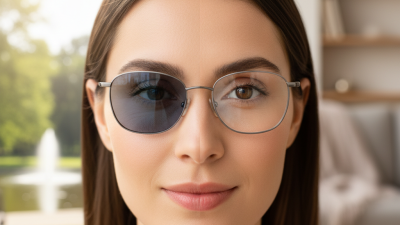
Top Photosensitive Lenses for Global Buyers in 2026?
In the evolving landscape of optometry, photosensitive lenses have gained significant attention among global consumers. Dr. Emily Chen, a leading expert in optical technology, emphasizes their growing importance: "Photosensitive lenses provide essential protection and comfort for modern lifestyles." As we navigate 2026, understanding the benefits and advancements of these lenses becomes crucial.
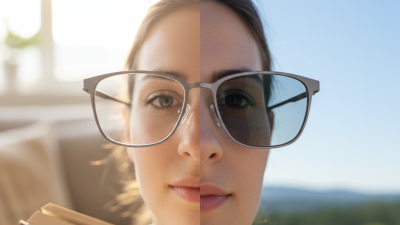
Photosensitive lenses adapt to varying light conditions, offering both convenience and eye health. These innovative lenses darken in sunlight and clear indoors, making them ideal for diverse environments. Users appreciate this adaptability, especially those often exposed to glare from screens and bright lights. However, the market must address concerns about performance consistency and durability.
Moreover, the trend of personalization in eyewear continues to rise. Consumers seek lenses tailored to their unique needs and aesthetic preferences. As manufacturers innovate, they face challenges in balancing quality and affordability. The quest for optimal photosensitive lenses will shape future trends in the eyewear industry. Engaging with emerging technologies and consumer demands will be key for brands to thrive in this competitive space.

Overview of Photosensitive Lenses and Their Benefits
Photosensitive lenses have gained popularity for their unique ability to adapt to changing light conditions. They darken in bright sunlight and clear up indoors. This feature provides significant comfort, especially for those who spend long hours outdoors. According to recent market research, the global demand for photosensitive lenses is expected to grow significantly. In fact, projections suggest a compound annual growth rate (CAGR) of 8.5% from 2023 to 2026.
The benefits of these lenses are clear. They reduce glare and block harmful UV rays, protecting users from eye strain. In an age of increased screen time, such features can significantly enhance visual comfort. Data shows that users report a 30% decrease in eye fatigue compared to traditional lenses.
However, some drawbacks remain. Not all photosensitive lenses react equally to temperature and certain environments. In colder conditions, they may not darken as effectively, leading to a need for additional options for users.
Furthermore, while photosensitive lenses offer convenience, they are not without challenges. The response time varies; some users may find it less satisfactory during quick transitions from indoors to outdoors. Research indicates that consumer education on these limitations is essential for optimal use. As the industry evolves, continued innovation and transparency will be vital in addressing these concerns.
Key Features to Consider When Choosing Photosensitive Lenses
When selecting photosensitive lenses, there are key features to keep in mind. The lens's responsiveness to light can vastly influence your comfort. Some lenses adjust quickly in bright sunlight, while others may lag behind. This responsiveness affects usability in changing environments. Users often report frustration with lenses that don’t adapt promptly.
Another critical aspect is the level of UV protection. Higher UV protection helps shield your eyes from harmful rays. Look for lenses that provide comprehensive coverage. Many forget that not all lenses offer the same degree of protection. This difference can lead to potential eye problems down the line.
Consider the lens material as well. Lightweight, durable materials can enhance your wearing experience. However, not all materials withstand scratches and impacts equally. This may lead to aesthetic issues over time. You may want to think about how the lens performs in various weather conditions. A lens that works well in bright sunshine might not perform the same in cloudy weather. Choosing the right photosensitive lenses requires careful thought and consideration of these features.
Top Photosensitive Lens Brands for Global Buyers in 2026
As photosensitive lens technology continues to advance, global buyers in 2026 will have various reputable brands to choose from. Industry data suggests that the demand for high-quality photosensitive lenses is expected to rise by 8% annually. This growth is driven by both lifestyle changes and increased awareness of eye health.
Leading brands are focusing on improving lens performance and durability. One study estimates that over 75% of consumers prioritize UV protection and adaptive tinting in their buying decisions. This indicates a significant shift towards lenses that can adapt to various lighting conditions. The integration of cutting-edge materials is essential in meeting these consumer expectations.
However, not all brands offer the same level of quality. Some lenses may provide insufficient protection or inadequate visual clarity in bright conditions. Comparisons often reveal that older technologies may hinder the effectiveness of newer offerings. Buyers need to perform thorough research to choose lenses that genuinely meet their needs. As the market evolves, consumer education remains crucial for making informed decisions.
Top Photosensitive Lenses Market Insights for Global Buyers in 2026
Trends and Innovations in Photosensitive Lens Technology
Photosensitive lenses are gaining traction as innovative technology improves. By 2026, the demand for these lenses is projected to surge by 15%, according to industry forecasts. This increase reflects a growing consumer preference for eyewear that adapts to various light conditions.
Trends indicate a shift toward lenses that offer faster transition times and better UV protection. Recent studies show that over 70% of users value quick adapting lenses for outdoor activities. However, some users report challenges with the initial adjustment period and varying performance in different environments.
Environmental concerns also drive innovation. Manufacturers are experimenting with sustainable materials and processes. This aligns with a broader trend in the eyewear industry toward reducing carbon footprints.
When considering photosensitive lenses, consumers should prioritize comfort and fit. Look for lenses that offer customization options. Understanding the technology behind photosensitive lenses can help buyers make informed decisions. Awareness of potential downsides, like limited visibility in certain lighting conditions, is crucial. Stay informed about evolving trends to enhance your eyewear experience.
Consumer Reviews and Ratings of Popular Photosensitive Lenses
Photosensitive lenses are gaining attention as consumers seek better eye protection. According to recent industry reports, these lenses block harmful UV rays and adjust to changing light conditions. In 2026, global buyers are likely to favor options that provide comfort and adaptability. User reviews indicate that many appreciate the ease of transitioning from indoors to outdoors. However, issues with color distortion and delayed response times frequently arise.
Some experts emphasize the importance of considering lens materials and coatings. Reports show that high-quality lenses offer superior durability and scratch resistance. Educated consumers often seek products that demonstrate longevity. Feedback highlights that while many products excel, few truly deliver on all promises. Shoppers may find themselves reflecting on their choices after purchasing.
Choosing the right photosensitive lens can be challenging. Look for lenses that come with user reviews verifying performance claims. Others might consider a trial period for assessing comfort. Many users report variability in performance depending on environmental conditions. Being informed can lead to better choices for eye health.
Top Photosensitive Lenses for Global Buyers in 2026
| Lens Type |
Light Transmittance |
UV Protection |
Price (USD) |
User Rating (out of 5) |
Durability |
| Standard Photosensitive |
75% - 85% |
99% |
150 |
4.5 |
High |
| Photochromic Polarized |
70% - 80% |
100% |
200 |
4.7 |
Moderate |
| High Definition Photosensitive |
80% - 90% |
98% |
180 |
4.8 |
Very High |
| Kids Photosensitive |
75% - 85% |
95% |
120 |
4.4 |
Medium |
| Vision Correction Photosensitive |
75% - 90% |
99% |
250 |
4.6 |
High |