How to Choose the Right Blue Block Lens for Your Needs?
Choosing the right Blue Block Lens can significantly impact your daily life. These lenses filter out harmful blue light from screens. Many people spend hours on their devices, leading to eye strain and fatigue. This is where Blue Block Lenses come into play.
Understanding your specific needs is vital. Not all Blue Block Lenses offer the same protection or comfort. Some might be better for long days at the office. Others may cater to gamers or avid readers. Each scenario requires different features in a lens.
Considering factors like lens tint, coating, and style is essential. They all contribute to comfort and effectiveness. However, it’s crucial to reflect on your lifestyle. Do you often work late? Are you exposed to screens during the night? These questions can help shape your choice. The right Blue Block Lens can make a difference, but weighing your options thoughtfully is key.
Understanding Blue Block Lenses: What They Are and Their Benefits
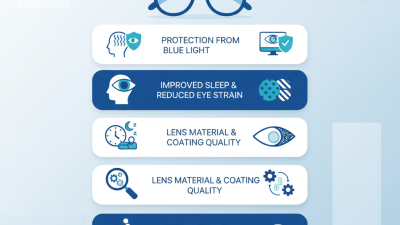
Blue block lenses have become popular as more people spend time in front of screens. These lenses are designed to filter blue light emitted by digital devices. Research shows that prolonged exposure to blue light can contribute to digital eye strain and sleep disruption. A study from the American Optometric Association found that 70% of adults experience some form of digital eye strain.
Using blue block lenses may help reduce discomfort. Many users report fewer headaches, improved focus, and better sleep quality. These lenses can also protect against harmful blue light during the evening hours, promoting healthier sleep patterns. One benefit is the added UV protection many blue block lenses provide. This can safeguard your eyes from potential harm while outdoors.
When choosing blue block lenses, consider your screen time and lifestyle. If you spend several hours in front of a screen daily, they could be beneficial. Make sure to assess lens quality and certifications before purchase. Consult with an eye care professional for recommendations tailored to your needs. Remember, not all lenses are created equal, so research is essential for finding the right fit.
Identifying Your Needs: Lifestyle and Screen Time Considerations
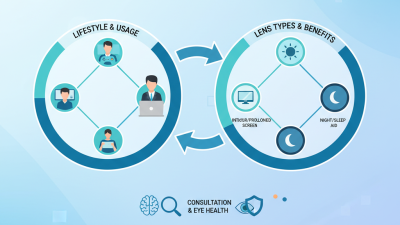
When selecting a blue block lens, understanding your lifestyle is crucial. If you spend hours in front of digital screens, a lens that filters blue light can be beneficial. For many, this exposure leads to eye strain and disrupted sleep patterns. It's essential to consider your daily routines. Do you work long hours on a computer? Do you use your phone before bed? These habits can greatly influence your choice.
For those with an active lifestyle, lightweight and stylish options may be more appealing. Comfort should not be overlooked. If you often wear glasses for extended periods, choose lenses that reduce glare without compromising clarity. Remember that not all blue light lenses are created equal. Some may offer more protection than others, which requires careful consideration.
Reflecting on your screen time can lead to better choices. Are you aware of how much time you spend on screens daily? Keeping track could highlight your actual needs. The right lens can make your screen time healthier. With so many options available, finding the perfect fit requires self-assessment. Each individual's circumstances vary significantly, reminding us that there is no one-size-fits-all solution.
How to Choose the Right Blue Block Lens for Your Needs?
| Lifestyle |
Screen Time (Hours/Day) |
Lens Type Recommended |
Additional Features |
| Casual User |
< 3 |
Standard Blue Light Filter |
Anti-Reflective Coating |
| Frequent Gamer |
4 - 6 |
High-Performance Blue Light Blocking |
Enhanced Contrast |
| Office Worker |
6 - 8 |
Computer Glasses with Blue Block |
Anti-Fatigue Technology |
| Night Owl |
> 8 |
Sleep-Friendly Blue Light Filter |
UV Protection |
Different Types of Blue Block Lenses: Prescription vs. Non-Prescription
Choosing the right blue block lens can feel overwhelming. Each type serves specific needs. It's essential to understand the difference between prescription and non-prescription blue block lenses.
Prescription blue block lenses are tailored to those with vision impairments. They help reduce eye strain caused by screens. A report from the Vision Council states that nearly 80% of adults experience digital eye strain. These lenses filter harmful blue light while correcting vision. This combination can lead to improved comfort during long hours of screen time.
Non-prescription blue block lenses, on the other hand, are ideal for those with no vision issues. These lenses also reduce blue light exposure but do not correct vision. They are suitable for anyone looking to protect their eyes during prolonged device use. Studies suggest these lenses are effective at reducing 20-30% of blue light. However, some users report less noticeable effects from non-prescription options. It’s vital to weigh these differences based on personal usage habits and needs. Understanding these distinctions can guide you to make a more informed choice.
Evaluating Lens Features: Coatings, Tints, and Protection Levels
When selecting blue block lenses, evaluating lens features is crucial. Coatings, tints, and protection levels significantly impact their effectiveness. Eye strain is common today; studies indicate around 70% of adults experience it. Blue light exposure from screens contributes to this issue.
Anti-reflective coatings improve clarity. They reduce glare, making screen time more comfortable. A survey revealed that 80% of users noticed less eye discomfort with these coatings. Protective tints can also enhance your experience. Tinted lenses may filter out harmful light, decreasing fatigue during prolonged use. Research shows that lenses with a yellow tint can block 90% of blue light.
Protection levels vary, too. Look for lenses certified by reputable organizations. Some offer UV protection, which is critical. The American Academy of Ophthalmology states that UV exposure can lead to long-term eye damage. Finding the right combination of coatings and tints can maximize protection while catering to your daily needs. It’s important to reflect on your own usage habits to select the ideal lenses.
Choosing the Right Fit: Frame Styles and Comfort Factors
Choosing the right blue block lens involves more than just lens type.
Frame styles and comfort play a critical role. According to the American Optometric Association,
comfort affects visual performance significantly. If frames do not fit well, they can cause distractions. This, in turn, detracts from
the lens benefits.
Consider different shapes, such as round, rectangular, or cat-eye frames. Each shape
suits various face types. For instance, round frames can soften sharp features. Additionally, weight matters. Heavy frames can lead
to discomfort during long usage. Studies show that 65% of wearers prefer
lightweight materials for daily use. Comfort should not be overlooked.
Adjustable nose pads are essential for achieving a good fit. They can alleviate pressure points on the nose. This feature is often
missed in budget options. A poorly fitting frame can result in headaches. Proper frame alignment also ensures optimal lens effectiveness, maximizing blue light protection. A comfortable fit fosters prolonged use, allowing users to reap the benefits of blue block technology fully.