Top 5 Tips for Choosing Polarized Lenses for Your Needs?
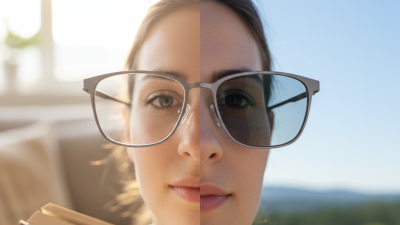
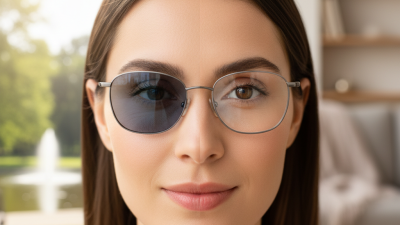
Choosing the right polarized lenses is crucial for enhancing your visual experience. Dr. Emily Carter, an optometry expert, emphasizes, “The correct polarized lenses can transform how you see the world.” Her insight highlights the importance of selecting lenses suited to your unique needs.
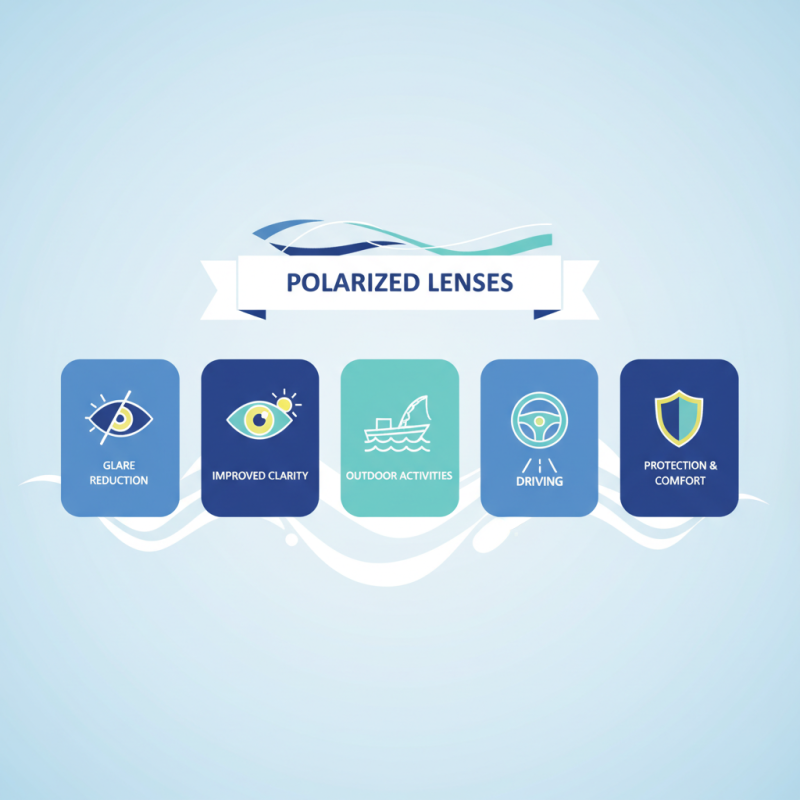
Polarized lenses cut glare and improve clarity, making them essential for outdoor activities. Whether you enjoy fishing, boating, or simply driving, the right lenses can make a significant difference. However, selecting them can be overwhelming. Different lenses serve distinct purposes. Comfort and protection must align with your lifestyle and preferences.
Take the time to understand your options. Not all polarized lenses are created equal. You might find yourself drawn to specific features that may not suit your eyes or activities. Critical thinking in this selection process can prevent disappointment later. Your eyes deserve the best protection and clarity available.
Understanding Polarized Lenses and Their Benefits
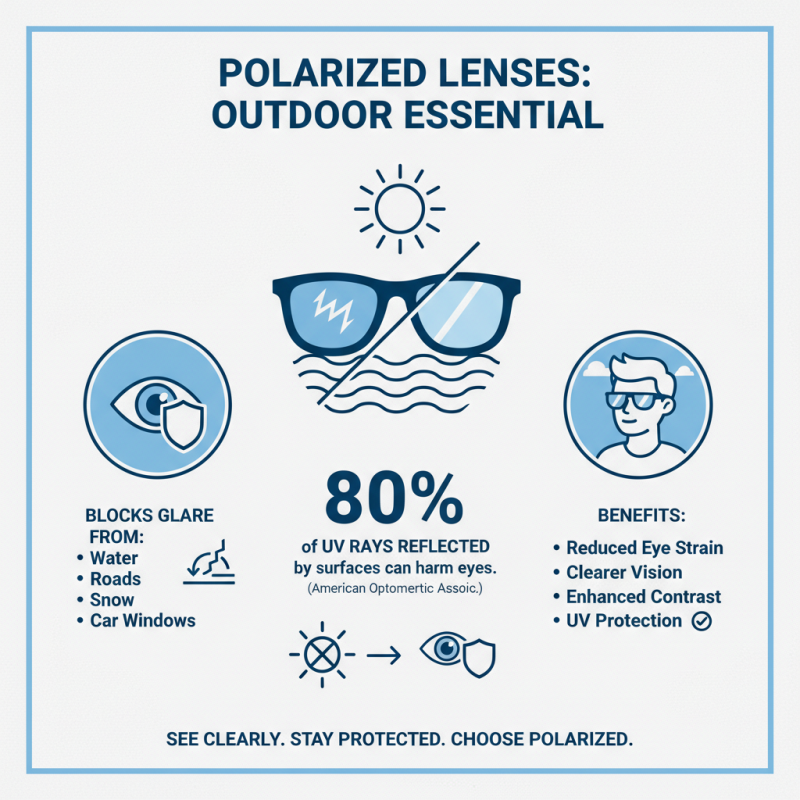
Polarized lenses are essential for anyone spending time outdoors. They help reduce glare from reflective surfaces like water and roads. According to a report by the American Optometric Association, about 80% of the sun's harmful UV rays can bounce off reflective surfaces and reach your eyes. This can lead to discomfort and even long-term damage.
When choosing polarized lenses, consider UV protection. Some lenses offer 100% UV protection. This is crucial, especially during summer activities. Look for lenses that meet ANSI standards for optical quality. This ensures that they provide adequate glare reduction and visual clarity.
Tip: Ensure that the lens tint suits your primary activities. A darker tint can enhance contrast in bright sunlight, while a lighter tint might be better for overcast conditions.
Another important factor is lens material. Polycarbonate lenses are lightweight and impact-resistant. They are ideal for sports enthusiasts. However, if you prefer scratch resistance, opt for glass lenses. Each material has its pros and cons, impacting weight and comfort.
Tip: Always check for polarization properties by using a simple test. Two polarized lenses rotated against each other will show varying shades. This helps ensure you’re selecting genuine polarized lenses.
Identifying Your Specific Vision Needs and Activities
When choosing polarized lenses, it's crucial to identify your specific vision needs and activities. Polarized lenses are designed to reduce glare, making them ideal for outdoor enthusiasts. According to the Vision Council, nearly 90% of people experience glare while driving or engaging in water sports. If you enjoy fishing or skiing, polarized lenses will enhance your visual comfort significantly.
Consider your daily activities. For instance, if you spend hours on the road, look for lenses that offer protection against UV rays and enhance contrast. Lenses with color tints can improve visibility in various conditions. The American Academy of Ophthalmology suggests selecting a lens dark enough to block 99% of UV light but still allows you to see clearly.
Reflect on the types of environments you navigate. If you frequently transition from bright outdoor settings to indoor lighting, consider lenses with photochromic properties. These lenses adapt to changing light, but they may not perform as well in extreme light conditions. Always prioritize comfort and clarity for your specific lifestyle to make the best choice for your eyes.
Evaluating Lens Quality: Materials and Coatings
When selecting polarized lenses, focusing on lens quality is crucial. The choice of materials can significantly affect performance. High-quality materials, like polycarbonate or Trivex, offer both durability and optical clarity. These materials are lightweight and resistant to impact. They can enhance your visual experience, especially in bright environments.
Coatings are another critical aspect. Anti-reflective coatings reduce glare, improving visibility in different lighting conditions. Scratch-resistant coatings help maintain lens integrity, especially for active lifestyles. Some coatings even offer additional UV protection, shielding your eyes from harmful rays.
Consider your unique needs when evaluating these characteristics. Different activities may require specific features. If you’re frequently exposed to water or sand, scratch resistance is essential. If you spend long hours driving, anti-reflective properties become important. Each decision should reflect your lifestyle and preferences. It’s worth pondering how each aspect contributes to your overall satisfaction with polarized lenses.
Comparing Different Polarized Lens Brands and Options
When choosing polarized lenses, it's essential to consider various brands and options. Each brand offers unique features that cater to different activities. For instance, some prioritize clarity, while others focus on scratch resistance. Look for lenses that enhance contrast and reduce glare. This is especially important for outdoor enthusiasts, cyclists, and drivers.
Different polarized lens materials can affect performance. Polycarbonate lenses are lightweight and impact-resistant, making them suitable for active use. Meanwhile, glass lenses provide superior optical clarity but can be heavier and more prone to breaking. Reflect on what fits your lifestyle best. Think about where you will wear these lenses most often.
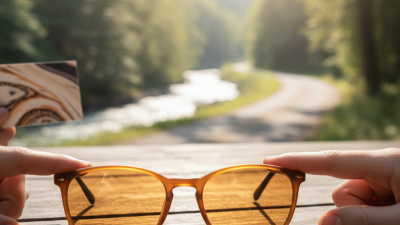
Don't overlook the importance of lens color. Each tint offers distinct advantages. Gray lenses maintain true color perception, while brown or copper lenses enhance contrast. Keep in mind that what works for one person might not work for another. Testing different brands can help identify the best choice for your needs. Be open to adjustments and preferences as you discover what feels right.
Top 5 Tips for Choosing Polarized Lenses for Your Needs
| Feature |
Basic Polarized |
Mid-Range Polarized |
Premium Polarized |
| UV Protection |
Up to 85% |
Up to 95% |
99%+ |
| Lens Material |
Polycarbonate |
Trifocal |
High Index Glass |
| Scratch Resistance |
Basic |
Enhanced |
Superior |
| Color Options |
Limited |
Moderate |
Wide Variety |
| Price Range |
$30-$70 |
$70-$150 |
$150+ |
Budget Considerations: Finding Affordable Polarized Lenses
When considering polarized lenses, budget is often a major factor. Many people assume that high prices equate to better quality. However, this isn’t always true. You can find affordable polarized lenses that offer excellent benefits. Look for eyewear with UV protection and anti-reflective coatings at reasonable prices. Many retailers provide options that don’t break the bank.
Check multiple sources to compare prices. Online platforms often have sales and discounts. Local stores may offer promotions, especially during seasonal changes. Sometimes, opting for slightly outdated models can save money without compromising quality. Don't overlook user reviews when assessing value. They can offer insight into performance.
Remember, your needs shape your choice. Ask yourself if you really need high-end lenses or if a mid-range option suffices. Reflecting on your lifestyle can lead to a more satisfying purchase. A common mistake is to rush into buying the first pair you see. Take your time and do thorough research for the best balance between cost and quality.